


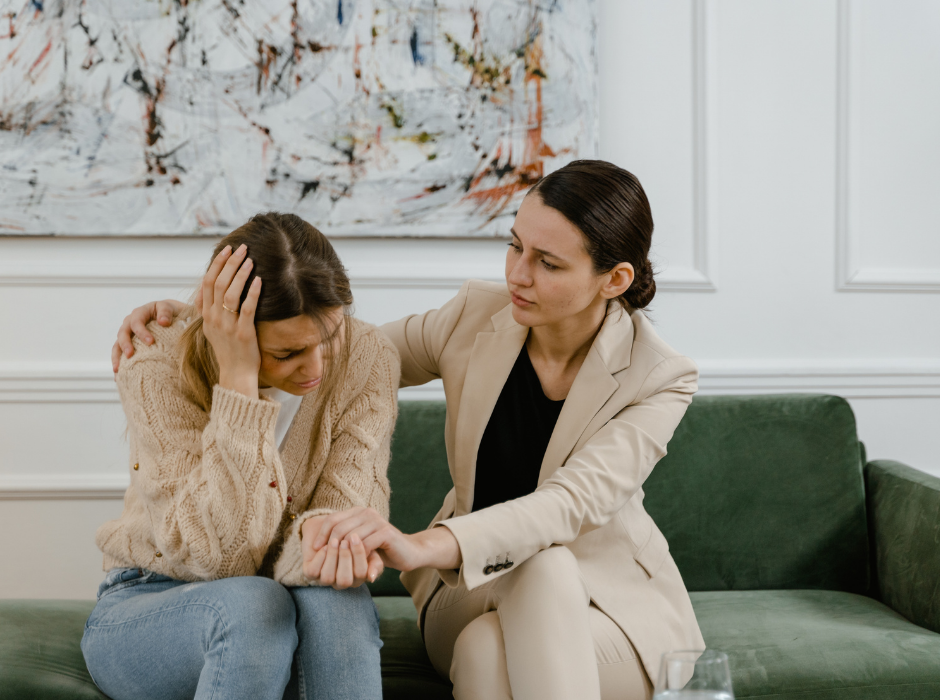
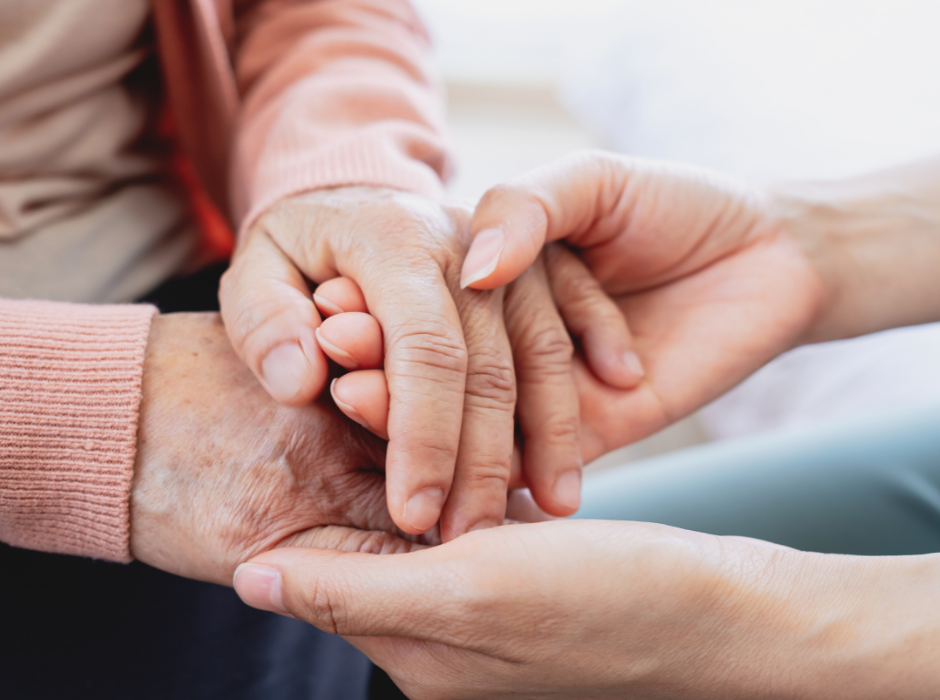
Supporting someone experiencing family violence starts with being a safe, trusted, and compassionate presence. Friends, family members, neighbours, and co-workers do not need to have all the answers—they can make a difference by listening, believing, offering support, respecting choices, and helping connect the person with resources.
Recognizing warning signs, creating opportunities for safe conversations, and helping with practical needs such as transportation, childcare, safety planning, or gathering important documents can provide meaningful support. It is important to avoid judgment, pressure, or telling someone when or how to leave, as leaving can be a complex and dangerous process.
During Family Violence Prevention Month, we encourage communities to learn how to respond with compassion, promote safety, and remind survivors that they are not alone.
You Don't Have to Have All the Answers
If someone you care about is experiencing family violence, simply being a safe, supportive person can make a tremendous difference.
Your role is not to rescue them or tell them what to do. Instead, listen, believe them, validate their feelings and experiences, support their choices, help them stay safe, and connect them with resources when they are ready.
Leaving an abusive relationship is often the most dangerous time for a victim. Every situation is different, and safety must always come first.
Signs Someone May Be Experiencing Family Violence
Controlling or Concerning Partner Behaviour
- Relationship becomes intense very quickly
- Intense jealousy or possessiveness
- Pressure for intimacy or personal information
- Attempts to isolate them from others
- Frequent check-ins or interrogation
- A history of abusive or harmful behaviour
Changes in the Person Experiencing Harm
- Makes excuses for their partner’s behaviour
- Loss of confidence or self-esteem
- Noticeable changes in personality
- Increased anxiety or fearfulness
- Physical signs of abuse

How You Can Help
- Recognize the warning signs
- Listen and believe
- Offer a safe space
- Empower them with options
- Avoid confronting the abuser directly
- Offer childcare
- Provide transportation
- Care for pets
- Offer a safe place to talk
- Attend appointments with them
- Help gather important documents
- Help create a safety plan
- Check in regularly
What You Can Say
- "I've noticed you don't seem like yourself lately."
- "I'm worried about you."
- "You don't deserve to be treated this way."
- "I'm here whenever you're ready."
- "I believe you."
- "This isn't your fault."
- "How can I support you?"
What NOT to Say
- "Why don't you just leave?"
- "I'd never put up with that."
- "You need to call the police."
- "It's your fault for staying."
- "You should..."
- "I know exactly how you feel."
Warning Signs of Increased Danger
Threats to kill, Threats of suicide, Access to firearms or weapons, Strangulation/choking, Stalking or monitoring technology, Threats toward children or pets, Increasing controlling behaviour, Recent separation or plans to leave.
If someone is in immediate danger, call 911.
Remember!
People stay in abusive relationships for many reasons, including fear, financial dependence, children, housing, immigration concerns, hope that things will improve, love, trauma, and safety. Leaving is often a process, not a single event.
Local Supports: Cold Lake & Area
Stepping Stones Crisis Society
24-Hour Family Violence Helpline: 780-594-3353
Emergency Services
Call 9-1-1
Cold Lake RCMP
310-RCMP (7267) or 780-594-3302
Alberta Supports
1-877-644-9992
Alberta Family Violence Info Line
780-310-1818
Kids Help Phone
1-800-668-6868
Text CONNECT to 686868
211 Alberta
Dial 211+
Emergency Grab Bag
If it is safe, encourage preparation of a Grab Bag. Select a discreet bag, one that doesn’t stand out, i.e., a backpack or large handbag. If possible, keep this bag away from home, at work, or at a safe person’s home.
Important Documents:
Identification such as a birth certificate, immigration papers, custody documents, driver’s license, court orders, Treaty/Status card, or immigration documents.
Financial Items
Cash, debit/credit cards, banking information, lease or mortgage information.
Personal Items
Medication, glasses/contacts, keys, cell phone and charger, important phone numbers, children and personal comfort items, toiletries, clothing, valuables, and pictures.
Note: If you don’t have these items, our team is here to welcome you and provide the necessary support to help you feel secure and comfortable.