


Domestic violence can have lasting effects on children, even when they are not the direct target of abuse. Witnessing violence, hearing conflict, or living in an unsafe environment can impact a child’s emotional well-being, development, relationships, and sense of security.
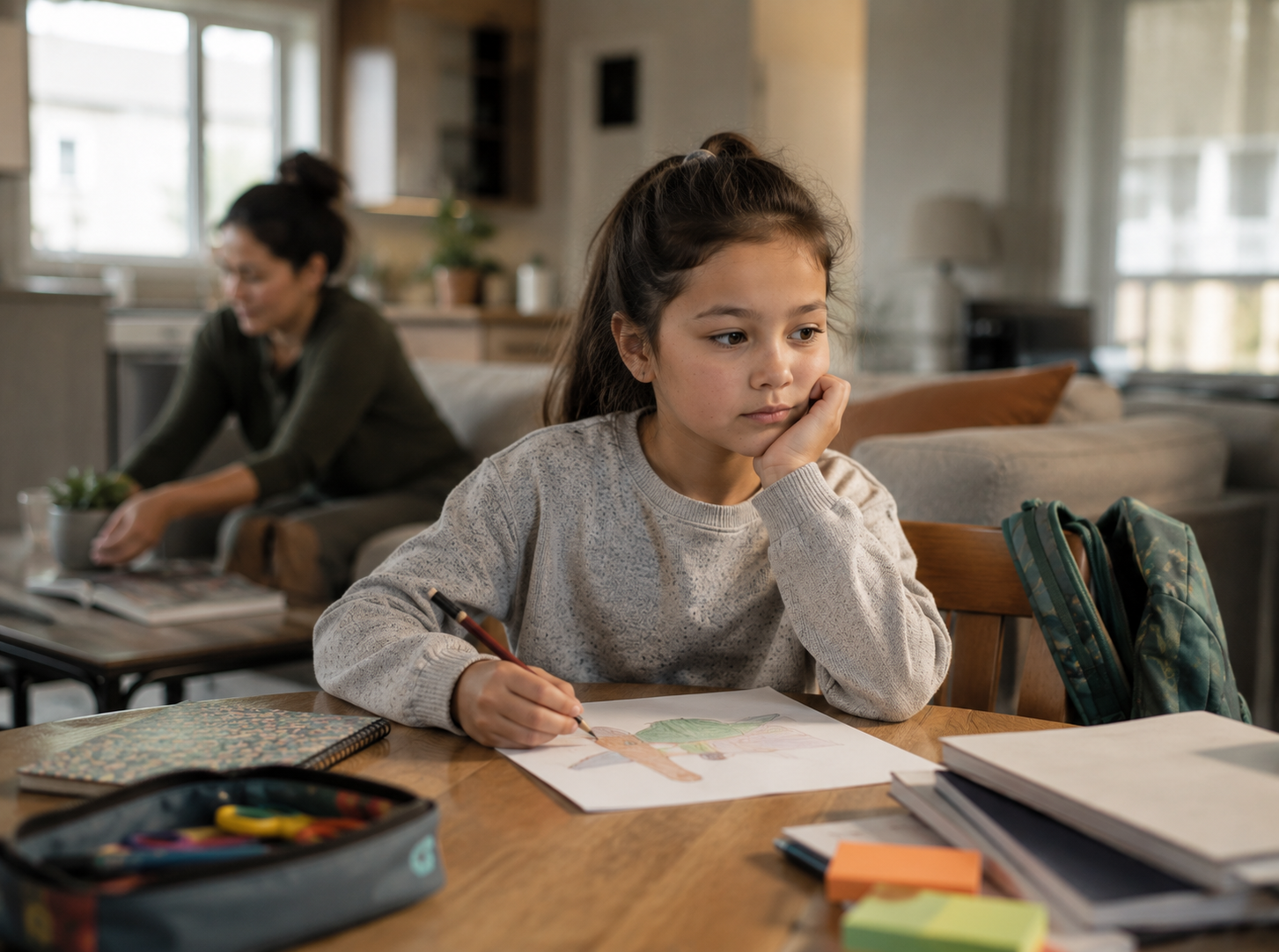
Children exposed to family violence may experience anxiety, fear, difficulty concentrating, changes in behaviour, low self-esteem, or challenges at school and with relationships. Without support, exposure to violence can increase the risk of experiencing or using violence later in life.
During Family Violence Prevention Month, we recognize the importance of providing children with safe, trauma-informed supports that help them heal, build resilience, and move toward healthier futures. Supporting children impacted by violence is an essential part of creating safer families and communities.
-
Domestic violence has a serious impact on children in Alberta. Living with or witnessing abuse can affect a child's brain development, emotional well-being, and future relationships. It can also increase the risk that they will experience or use violence later in life. Children may be exposed to abuse by seeing the aftermath, hearing arguments or violence, or being used by an abusive partner to control or hurt their mother.
Women's shelters in Alberta help children recover by providing safe, trauma-informed care that meets their age and developmental needs. They offer support for young children and can be referred to counseling for children and teens.
According to the Alberta Council of Women's Shelters (ACWS), Alberta shelters answered more than 50,000 calls for help, supported survivors and their children, and made over 20,000 referrals to other community services.

A Greater Risk
- Children living in homes with domestic violence can be hurt even if they are not the direct target of the abuse. They may be injured by thrown objects, weapons, or while trying to protect their mother. Babies can also be hurt if they are being held during a violent incident.
- Living with domestic violence can affect a child's growth and well-being. Some children may have delays in learning or language development, while others may experience stress-related health problems such as headaches, stomach pain, or skin rashes.
- Domestic violence can also affect a child's success at school. They may have trouble concentrating, struggle with schoolwork, find it hard to make friends, or miss more school than other children.
- Fear of abandonment.
- Social isolation and difficulty interacting with peers and adults.
- Low self-esteem.
- Younger children do not understand the meaning of the abuse they observe and tend to believe that they “must have done something wrong.” Self-blame can precipitate feelings of guilt, worry, and anxiety.
- Children may become withdrawn, non-verbal, and exhibit regressed behaviors such as clinging and whining. Eating and sleeping difficulty, concentration problems, generalized anxiety, and physical complaints (such as headaches) are all common.
- Children who are exposed to domestic violence may show signs of anxiety, such as trouble sleeping, changes in eating habits, and nightmares. They may also lose interest in spending time with friends, have low self-esteem, or avoid social activities.
- Some children may become angry or act out. They may have frequent tantrums, be irritable, fight with siblings or classmates, damage property, or be cruel to pets. Some may threaten or physically hurt others to get attention or express their emotions.
- Girls are more likely to become quiet, withdrawn, or isolated. Because these signs are less noticeable, they may not receive the support they need.