


Individuals experiencing intimate partner violence, gender-based violence, and family violence in Alberta often face multiple barriers that make leaving safely and rebuilding their lives difficult. These include economic abuse and financial insecurity, lack of affordable housing, transportation challenges (especially in rural communities), fear of retaliation, and concerns for children’s safety and stability.
Survivors may also face limited access to shelter spaces, legal support, childcare, mental health services, and long-term recovery resources. Additional barriers can impact Indigenous peoples, newcomers, seniors, individuals with disabilities, and diverse communities due to cultural, systemic, accessibility, and service gaps.
Addressing these challenges requires coordinated, trauma-informed, and culturally responsive supports that promote safety, stability, healing, and long-term independence for survivors and their families.

Financial Dependence and Economic Abuse
One of the most significant barriers is economic abuse, where an abuser controls income, bank accounts, credit, employment, or access to financial resources. Survivors may have no money to pay for transportation, housing, legal services, childcare, or basic necessities. Damaged credit, debt incurred by an abuser, and fear of poverty can make leaving feel impossible.
Examples:
- No access to bank accounts
- Dependence on partner's income
- Limited employment history
- Debt or poor credit caused by the abuser
- Fear of homelessness after leaving
Lack of Affordable and Safe Housing
Housing is frequently identified as one of the largest barriers for survivors in Alberta. Emergency shelters can provide temporary safety, but many survivors struggle to find affordable long-term housing. Rising rental costs, low vacancy rates, and insufficient transitional housing can leave survivors with few options.
Consequences:
- Extended shelter stays
- Returning to abusive relationships
- Housing instability for children

Transportation Barriers, Especially in Rural Alberta
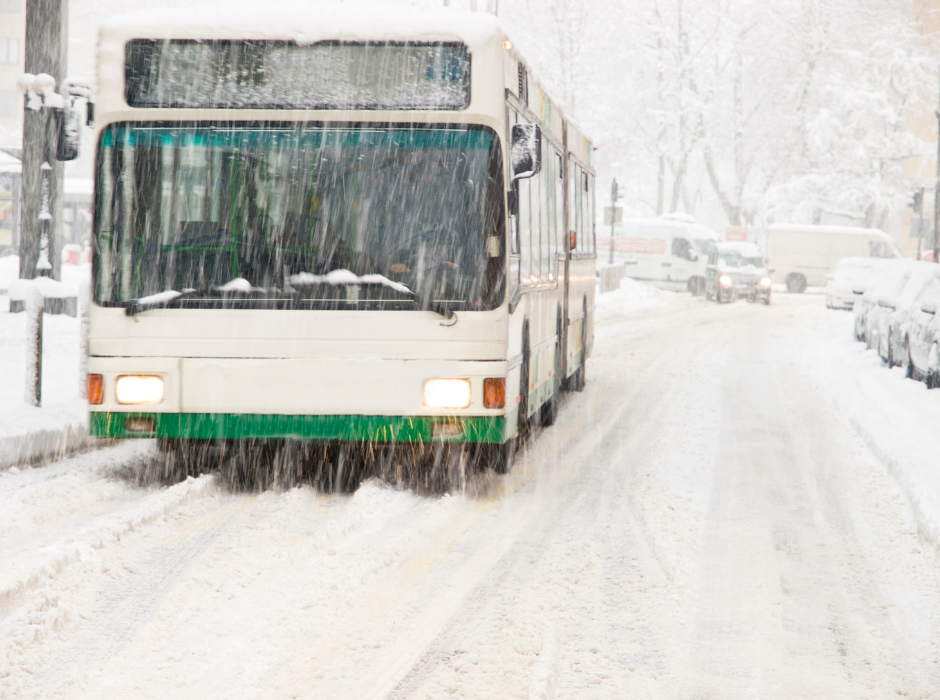
For survivors in rural, northern, and remote Alberta communities, transportation can be the difference between escaping and staying. Many communities lack public transit, and survivors may not have access to a vehicle or money for fuel or taxis. Reaching shelters, courts, healthcare providers, or employment opportunities may require traveling long distances.
Particularly affected:
- Rural women
- Indigenous communities
- Seniors
- Individuals with disabilities
Fear of Retaliation and Safety Concerns
Many survivors fear that leaving will increase the risk of violence. Research consistently shows that separation can be one of the most dangerous periods in an abusive relationship. Threats against the survivor, children, pets, family members, or property can prevent someone from leaving.

Childcare and Parenting Challenges
Parents fleeing violence often need:
- Safe childcare
- School transportation
- Custody and legal support
- Child-focused trauma services
Many survivors worry about disrupting their children's lives or losing custody. The logistics of relocating with children can become a major obstacle.
Social Isolation and Psychological Trauma
Abusers often isolate survivors from family, friends, workplaces, and community supports. Over time, this can reduce confidence and create feelings of shame, dependency, and hopelessness. Trauma responses may affect decision-making and increase barriers to seeking help. (opens in

Cultural, Language, and Immigration Barriers
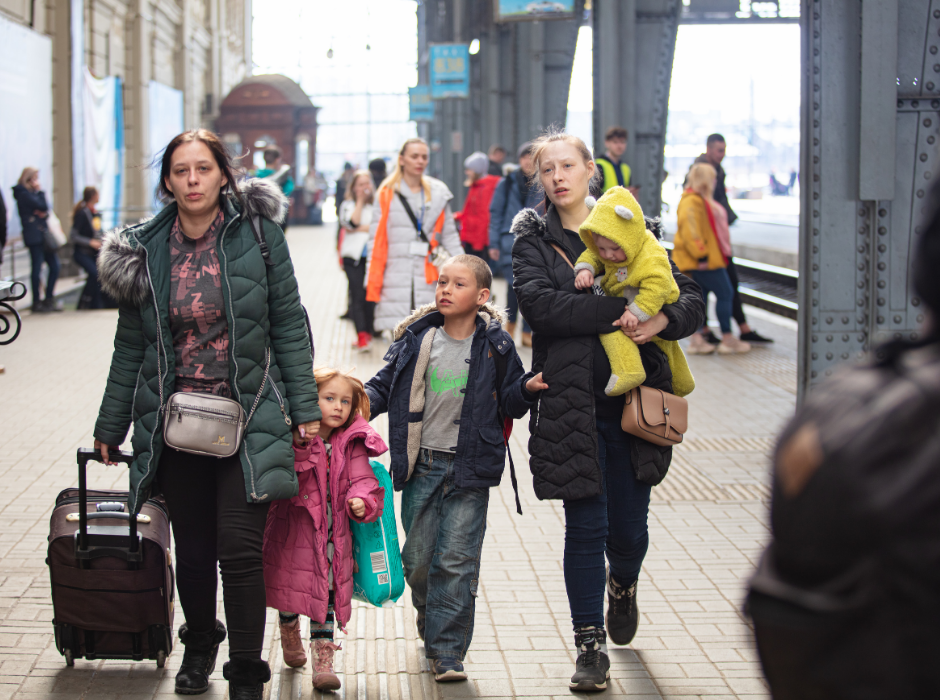
Newcomers, refugees, and immigrants may face additional challenges:
- Language barriers
- Lack of awareness of available services
- Fear of jeopardizing immigration status
- Cultural stigma surrounding separation or divorce
These factors can discourage disclosure and help-seeking.
Barriers Faced by Indigenous Survivors
Indigenous women and families often encounter compounded barriers related to:
- Geographic isolation
- Historical and ongoing impacts of colonialism
- Distrust of systems due to past harms
- Limited culturally appropriate services
Many Alberta reports identify Indigenous people as being disproportionately affected by family and gender-based violence.


Lack of Access to Legal and Justice Supports
Navigating Protection orders, Family court, Custody disputes, and Criminal proceedings can be overwhelming, expensive, and time-consuming. Survivors may struggle to understand the legal system or obtain representation. Rural residents may face additional travel burdens for court appearances
Workplace and Employment Challenges
Leaving abuse often means taking time away from work, relocating, changing jobs, or dealing with ongoing harassment from an abuser. Without stable employment, financial independence becomes harder to achieve
Barriers for Diverse Populations
Certain groups face additional obstacles, including:
- 2SLGBTQIA+ individuals
- Men experiencing abuse
- Seniors experiencing family violence
- Individuals with disabilities
These groups may encounter stigma, lack of specialized supports, accessibility challenges, or concerns about not being believed
Key Themes Across Alberta
The evidence from Alberta shelters and service providers consistently identifies five major systemic barriers:
- Affordable housing shortages
- Financial insecurity and economic abuse
- Transportation limitations, especially in rural areas
- Insufficient long-term supports after leaving
- Childcare, legal, and mental-health access challenges
For community organizations and policymakers, addressing these barriers typically requires a combination of housing supports, transportation solutions, economic empowerment programs, culturally safe services, childcare access, and trauma-informed care.